A weekly planner is the quiet engine behind many tidy routines. It does not have to be fancy or time-consuming. A single page, reviewed on Sunday, can hold your meals, movement, rest and daily habits in one place, and it turns good intentions into a calendar you can follow. This guide shows how to design a planner that fits your life, what to include, and how to keep it simple enough to use all season.
Start with one page
The best planner is the one you open. Begin with a single sheet of paper, a whiteboard on the fridge or a simple list on your phone. Resist elaborate systems with many tabs; complexity is the main reason planners get abandoned by week three.
Divide the page into seven columns for the days and add a few rows: meals, movement, rest, daily habits and one small joy. That is your whole framework. If a row does not earn its place, delete it.
For general guidance on building a well-rounded week, the Mayo Clinic healthy lifestyle pages and the CDC physical activity basics are useful references.
What to put in each row
Meals: jot down dinners for the week in a few words, such as grilled fish and greens, lentil soup, or veggie stir-fry. You do not need recipes, only a direction. This feeds your grocery list and removes the five o'clock question.
Movement: schedule your walks and strength sessions like appointments. Include a short backup option for tired days. Rest: mark a target bedtime and one evening wind-down ritual.
Daily habits: list the small repeatable steps, such as water in the morning and your daily supplement step. Tick them off as you go.
Make the planner feel personal. Add a small space for a weekly intention, such as walking more, cooking one new recipe or phoning a friend. Choose colors, stickers or a favorite pen if that makes the page more inviting. Some people keep a column for gratitude or one good thing per day, which turns the planner into a small keepsake as well as a tool. If you share a home, create a family version on a whiteboard so everyone can see dinners, pick-ups and walks at a glance. A planner that looks pleasant is a planner that gets opened.
- Meals: three or four dinners and a few easy lunches
- Movement: walks, strength and one fun activity
- Rest: bedtime target and a wind-down ritual
- Daily habits: water, supplement step, stretching
- One small joy: a call, a hobby or a favorite dessert
Hold a ten-minute Sunday review
Pick a regular time to plan the week, perhaps Sunday afternoon with a cup of tea. Look at your calendar first so you know which evenings are crowded. Then fill in meals and movement around those fixed points.
Look back at last week as well. What worked? What felt forced? Adjust gently rather than starting from scratch. Small tweaks, week after week, create a planner that fits you perfectly.
Plan your grocery trip right after the review, using the tips in smart grocery habits for balanced meals. The two habits reinforce one another.
Connect the planner to your routines
A planner works best when it links to daily cues. Place it where you will see it, such as on the fridge, beside the coffee maker or on the desk. Glance at it each morning and again each evening.
Pair it with the habits explored in staying consistent with a daily supplement, which explains how to use anchors and trackers. If you cook often, the ideas in olive oil and everyday cooking habits can feed directly into your meal row.
Flexibility is the secret. Think of the planner as a guide, not a contract. When life reshuffles the week, simply move the item to another day and carry on.
Adding a daily supplement step
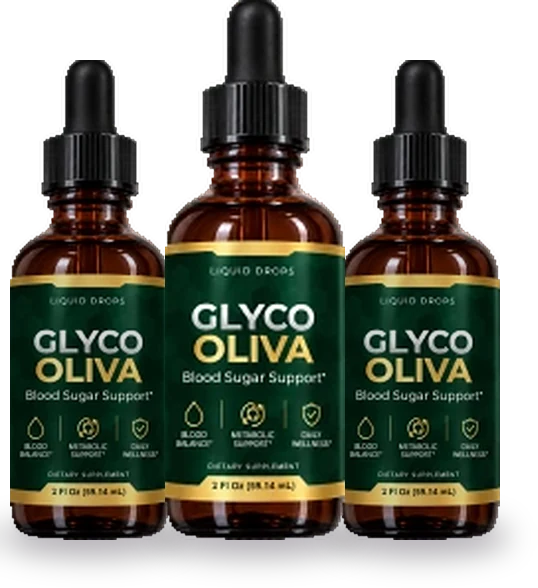
If a daily supplement is part of your routine, give it a spot in the habit row. GlycoOliva is a dietary supplement in liquid drop form, supplied in an amber glass dropper bottle with a dark green and gold label. Its three label themes are Blood Balance, Metabolic Support and Daily Wellness. The Supplement Facts panel and directions for use are printed on the bottle.
The label says the drops can be added to a glass of water, which makes your planner's water habit and supplement step a natural pair. For a closer look at the product, visit the GlycoOliva explainer.
When you are ready, you can order GlycoOliva today. The options are 2 bottles at $79 each ($158), 3 bottles at $69 each ($207) and 6 bottles at $49 each ($294, best value), each with a 60-day money-back guarantee.